How Do Real Estate Agents and Investors Actually Work Together on a Deal?
By Debbie Mauro, Founder, Agent Impact Network ·

Quick answer: Yes, real estate agents and investors can work together well, but only when the roles are clear. The agent brings local market knowledge, property search, negotiation, and transaction coordination. The investor sets the buying criteria and makes every investment decision. Before the work begins, both should agree in writing on representation, communication, compensation, and who verifies what.
I have seen a lot of good opportunities turn confusing for one simple reason: everyone assumed the other person understood the plan. A clear conversation at the start prevents most of that.
Who does what when a real estate agent and an investor team up?
The simplest way I know to keep an agent and investor relationship healthy is to write down who owns each piece of the deal. Here is the split I recommend as a starting point.
| Part of the deal | The agent handles | The investor handles |
|---|---|---|
| Buying criteria | Asks clarifying questions and documents the buy box | Defines property type, location, condition, budget, and deal breakers |
| Property search | Finds listed and off-market opportunities that match the criteria | Reviews each opportunity and decides which ones are worth a look |
| Market information | Prepares comparable sales, listing history, and local context | Runs the numbers and verifies the assumptions that matter |
| Offers | Explains the process, drafts the paperwork, and communicates with the seller's side | Decides whether to offer, at what price, and on what terms |
| Due diligence | Coordinates access, passes along documents, and tracks contract deadlines | Orders inspections and consults an attorney, accountant, lender, or contractor |
| Final decision | Shares information and options under the contract | Chooses whether to close, renegotiate, or walk away |
I think of the agent as a guide to the transaction and the local market, not the person who decides whether an investment makes sense. An agent should never promise a return or stand in for an investor's attorney, accountant, inspector, insurance professional, or lender.
What does a real estate agent do for an investor?
An agent helps an investor understand the local market, find properties that fit the stated criteria, arrange access, prepare a comparative market analysis, communicate with the seller's side, and negotiate the purchase contract.
The agent also keeps the transaction moving. That can mean tracking contract deadlines, coordinating access for inspections, and connecting the investor with local professionals when appropriate.
Many Realtors are investors themselves, and that experience helps them ask better questions. If you are an agent thinking about buying your own first property, my post on whether Realtors should invest in real estate themselves covers the upside and the disclosure rules.

How should an agent and investor define the working relationship?
Start with the investor's buy box. Get specific about the type of property, location, condition, intended use, budget range, and any features that are essential or off-limits.
Then talk about the relationship itself. Is the agent representing the investor as a buyer? What services does the agent expect to provide? How will the investor communicate decisions? Who can authorize an offer, and how quickly should the agent expect a response?
Those details matter because "find me a deal" means different things to different people. One investor wants help finding listed properties. Another expects the agent to make introductions, review comparable sales, arrange property visits, and coordinate professionals during inspections.
Compensation belongs in that first conversation too. Compensation is negotiable, and the parties should put their agreement in writing in a form that follows state law and brokerage requirements. For agents who participate in a Realtor-affiliated MLS, written buyer agreements are required before touring a home, and the agreement must clearly describe compensation. The NAR policy on written buyer agreements explains the requirement. Rules vary, so confirm current practice with your broker.
It is also worth discussing whether the agent is working with other parties in the transaction and how any potential conflict will be handled. The investor should know who the agent represents and what that means before sharing confidential information or relying on the agent's advice.
How does the investor's buy box shape the property search?
A useful buy box gives the agent enough information to look for relevant opportunities without making assumptions for the investor.
The investor explains the location, property type, condition, price range, and intended plan for the property. They also share what would make them walk away, such as a certain level of repairs, a complicated title issue, or a use that requires approvals they do not want to pursue.
The investor should also be ready to explain how they evaluate an opportunity. Some have their own worksheet. Others lean on an accountant, contractor, or property manager. The agent can gather local information, but the investor verifies the assumptions that affect the decision.
I encourage agents to ask what the investor wants in a property summary. Some want comparable sales and listing history. Others want access details, known property information, or a quick call before a showing is scheduled. Agreeing on the format saves time for both people.
An agent can also help an investor recognize when a property does not fit the stated criteria, even if it looks appealing at first glance. That is useful service. It is never the agent's job to pressure the investor into an offer.
Who makes the offer and the investment decisions?
The investor makes the investment decision. The agent shares relevant information, explains the transaction process, and communicates the offer, but the investor chooses whether to offer, what terms to propose, and whether to continue after reviewing the available information.
Before an offer goes in, both sides should know who is authorized to make decisions and how to reach them. If the investor is buying through an entity, the agent should know who can sign and whether the entity details are ready. The investor should also understand that the purchase contract, not a conversation, sets the parties' obligations.
Offer terms involve more than price. Depending on the property and contract, the parties may discuss timing, access, contingencies, financing terms, and other conditions. The agent can explain how a proposed term may affect the negotiation, but the investor should take legal, tax, lending, and investment questions to qualified professionals outside the agent's role.
That distinction protects the relationship. The investor gets information and support, and remains accountable for the decision.
What happens during due diligence?
Once the parties have a signed contract, the investor needs to verify the information that matters to their decision. Depending on the property, that may include physical condition, title, survey, permitted use, leases, expenses, insurance, utilities, permits, and renovation estimates.
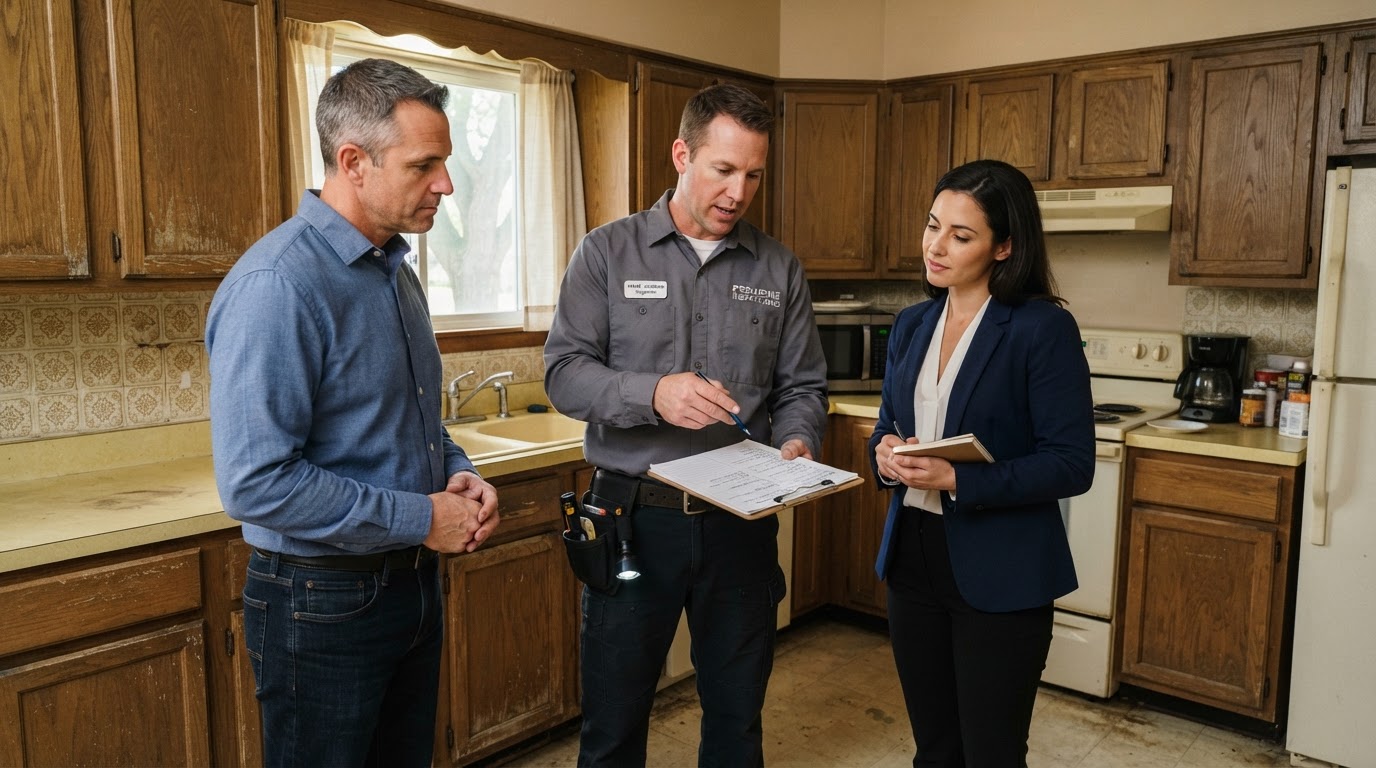
The agent coordinates access, passes along available documents, and tracks contract deadlines. The investor arranges appropriate inspections and consults professionals who can evaluate issues beyond the agent's expertise.
For example, an agent may schedule the inspection, but the inspector evaluates the building's condition. An agent may share available property information, but the investor and their professionals verify the financial and legal details they rely on. If financing is involved, the investor should ask their lender about loan terms, qualification, timing, and the property's eligibility.
The investor should keep a clear record of open questions and dates. If new information changes the decision, they can discuss next steps with their agent and consult their broker or attorney as needed. The contract and local law govern what choices are available, including whether the investor can renegotiate or terminate.
How can Realtors and investors communicate without creating confusion?
Agree on a communication rhythm that works for both people. A quick message may be enough for a new listing, while a contract question may need a phone call. The investor can tell the agent when they are available and how quickly they can respond to time-sensitive questions.
Keep instructions in writing, especially when they involve an offer, a change in terms, or a decision about a deadline. The agent should confirm important directions rather than relying on an unclear text thread or a secondhand message.
Agents should give investors honest updates when a property is no longer available or does not match the stated criteria. Investors, in turn, should tell the agent when their priorities or timing change. The relationship works better when each person can be direct without feeling that every conversation has to end in a transaction.
If you want to meet professionals who value practical collaboration, you can join the Agent Impact Network community. I built it to help agents and investors connect, share useful conversations, and build relationships across markets.
What should happen when a property is not right for the investor?
A property that does not fit one investor may still be a good listing opportunity for an agent, or a better match for another buyer. The important thing is to handle that handoff honestly and with permission.
If an investor passes, the agent should not assume they can share the investor's criteria or private details with someone else. Agree on what information, if any, can be shared. If the property owner is interested in selling, the agent can explain the available options, including whether the owner wants to speak with an agent about listing.
Agents who are also investors need one more layer of care here. If you ever buy or sell for your own account, Article 4 of the NAR Code of Ethics requires you to disclose your interest in writing. Investors appreciate knowing where you stand.
This is one reason agent and investor relationships can be valuable beyond a single purchase. An investor may help an agent understand how buyers evaluate property, and an agent may help an investor see local opportunities or connect with other market professionals. I share more about that overlap in my article on being both a real estate agent and an investor, and investors weighing their own license can read whether a real estate investor should get a license.
For connections outside your own market, a trusted network matters too. Here is more on building a national real estate referral network, and on how to vet an agent before you send a referral.
What if the agent and the investor are family or business partners?
In the real world, the agent and the investor are often in the same household. I meet power partners all the time: a husband who invests and a wife who holds the license, a parent and an adult child, siblings, or a Realtor who invests on the side and refers deals to a spouse's company. The roles in the table above still apply. Someone still sets the criteria and someone still runs the transaction, even when they share a dinner table.
What changes is the disclosure load. When one person holds the license and the other owns the investing entity, the licensed agent usually has to disclose the relationship in writing to the other side, and the line between the agent's business and the investor's business can get blurry fast. Every state handles this a little differently, so talk to your broker and, where it matters, an attorney before the first offer goes in.
Some brokerages go well beyond what the state requires. I know an agent whose family member finished a renovation on a higher-end property and asked her to list it. Her broker refused to take the listing unless the family member turned over receipts for every material that went into the remodel, down to the nails. Nothing in her state's disclosure rules asked for that. It was a broker policy, it cost her the listing, and it is the reason she moved her license to Epique.
That is the balance I look for in a brokerage. In my experience at Epique Realty, you follow every disclosure your state requires, and nobody piles on extra rules that make working with investors impractical. If you are an agent whose hands feel tied on investor deals, book a call with me and I will walk you through how it works.
What resources help real estate agents and investors work together?
A good working relationship starts with clear expectations, written agreements, and respect for each person's role. It also helps to keep learning about the local market and the questions that tend to come up during a transaction.
The brokerage behind you matters too, because its policies shape how you can structure compensation, referrals, and your own investing. For agents comparing options, BrokerageScore.com offers a downloadable guide with 50 questions to ask before choosing a brokerage, along with a side-by-side scorecard.
For ongoing conversations with other real estate professionals, you can also join the Agent Impact Network Facebook community or subscribe to the newsletter at REARNSubscribe.com.
What questions do agents and investors ask about working together?
Does an investor need a real estate agent?
No, an investor can choose to search for and purchase property without an agent, subject to applicable rules and contract requirements. An agent can provide local market support and transaction guidance, but the investor remains responsible for their investment decisions.
Can an agent guarantee that a property will be profitable?
No, an agent should not guarantee an investment result. The investor should verify assumptions and consult qualified professionals before deciding whether a property fits their goals.
Should an investor sign a buyer agreement with an agent?
The agent and investor should discuss representation and compensation before beginning substantive work, and MLS rules may require a written agreement before touring. The details depend on the agent's situation, applicable rules, and state law.
Who arranges the property inspection?
The investor typically decides which inspections are appropriate and arranges them, often with the agent helping to coordinate access. The inspector, not the agent, evaluates the property's condition.
Can an agent refer a property to another investor?
An agent may be able to share an opportunity with another potential buyer, but should respect confidentiality and get permission before sharing private information. Referral arrangements and licensing requirements differ by state, so the agent should check with their broker.
What should an investor do if the numbers change during due diligence?
The investor should review the new information, consult the right professionals, and talk with their agent about options under the contract. The contract deadlines and applicable law will shape what choices are available.
Can a Realtor list a property their spouse or family member is flipping?
Often yes, but the agent must disclose the relationship in writing as their state and brokerage require, and some brokerages add rules of their own. Check with your broker before taking the listing so the disclosure is handled correctly from the start.
How do I build better agent and investor relationships?
The best collaborations begin before anyone is rushing to write an offer. Define the investor's criteria, agree on the agent's role, put representation and compensation in writing, and keep communication straightforward.
The agent brings market knowledge and transaction support. The investor brings the buying criteria and makes the investment decisions. Each person respects the other's expertise while staying clear about where that expertise ends.
If you would like to meet agents, investors, and other real estate professionals who are open to working together, join the Agent Impact Network community. And if you are an agent who wants a brokerage that supports the way you work with investors, including the ones at your own kitchen table, book a call with me and we will talk it through.
This article is for general information only and is not legal, tax, lending, or investment advice. Agency, compensation, referral, and contract requirements vary by state. Please consult your broker and qualified professionals about your situation.
Get the newsletter
I write IMPACT every week for real estate agents. What is working, what is not, what it actually costs, and the parts most people leave out.
It goes to 243,000 realtors. It is free, and if it stops being useful you can leave in one click.
About the author

Debbie Mauro is the founder of Agent Impact Network. She started investing in real estate in 2003 and bought and sold property for two decades before she ever got licensed. She now runs the network's Facebook group and Meetup groups, the weekly IMPACT newsletter, a weekly mastermind, and an AI lab for agents and investors. She is a licensed real estate agent with Epique Realty.
More about Debbie